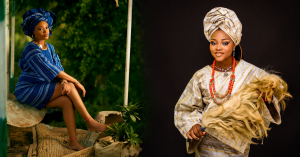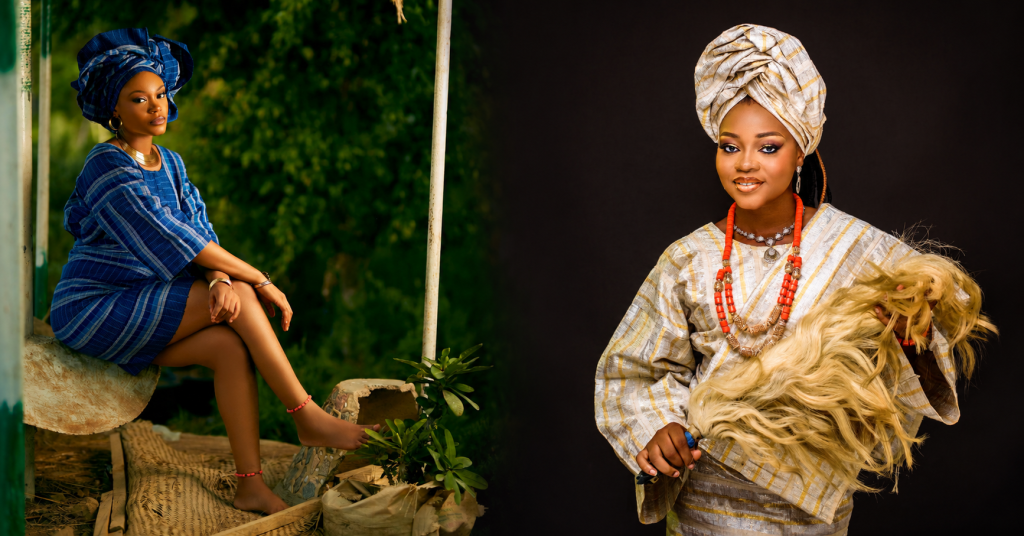

There is something about Nigerian fabrics, unlike other well-known fabrics, that changes when you begin to look at them through a stylist’s eyes. For years, I have looked at fabrics like Aso Oke and Akwete and understood them mainly through the occasions they belonged to: weddings, naming ceremonies, big celebrations and those moments when dressing up becomes a language of its own. But lately, I have been looking at them differently.
What happens when we stop seeing African fabrics simply as traditional attire and start seeing them as fashion? That question has taken me deeper into the world of African textiles, and two fabrics in particular keep finding their way into my styling conversations: Aso Oke and Akwete.
Both are deeply rooted in Nigerian textile traditions, but they come from different cultural and weaving traditions. Aso Oke is strongly associated with Yoruba textile traditions, while Akwete is associated with Igbo weaving traditions in southeastern Nigeria. And that is what makes comparing them so interesting.
So, what is the difference between Aso Oke and Akwete? And if you’re choosing one for your next outfit, which should you pick? Let’s get into it.
Aso Oke vs Akwete: The Quick Answer
If you are looking for the short version, here it is.
Aso Oke and Akwete are both traditional Nigerian woven textiles, but they have different cultural and textile histories. Aso Oke is associated with Yoruba textile traditions in southwestern Nigeria, while Akwete is associated with Igbo weaving traditions in southeastern Nigeria.
They also have their own distinctive patterns, textures, weaving traditions and cultural meanings. From a styling perspective, both can be used to create beautiful modern outfits just like the 80s power shoulder trend. So, is one better than the other? Not really. It comes down to the look you want, the occasion and, most importantly, your personal style.
What Is Aso Oke?
Aso Oke is a traditional Yoruba textile associated with southwestern Nigeria. It is known for its woven construction, rich colours and strong connection to ceremonial and celebratory dressing. But what I find most interesting about Aso Oke today is how easily its heritage translates into contemporary fashion. Aso Oke has a presence even before you begin styling it. There is something about its texture, structure and richness that demands attention. It does not quietly enter a room. It arrives.

Traditionally associated with Yoruba cultural dressing and important occasions, Aso Oke has long carried a sense of ceremony and prestige. Yet I don’t think that means it has to stay within those traditional boundaries. Aso Oke can be regal without looking dated. It can be dramatic without becoming excessive. And when it is styled thoughtfully, it can feel every bit as relevant in a modern fashion editorial as it does at a traditional celebration.
I love the idea of taking that inherent grandeur and playing with it. A structured Aso Oke corset with a clean skirt. A dramatic jacket over a simple look. A pair of tailored trousers made from the fabric. Or even a modern silhouette that lets the textile completely take centre stage. The way you accessorise it can also change its personality. The secret, for me, is knowing when to let the fabric speak and when to stop talking. Because sometimes, the most sophisticated thing you can do with a statement fabric is give it space.
And if you’re looking for beautiful Aso Oke pieces, there are a few brands I’d recommend checking out. The Potters Design and Ayabawoman both offer beautifully tailored and customizable pieces, making them worth a look if you want an Aso Oke outfit that feels special and personal to you.
What Is Akwete?
If Aso Oke is the woman who walks into the room knowing exactly who she is, Akwete is the woman you find yourself looking at twice. There is something almost intimate about handwoven fabric. You notice the details, the texture, the patterns and the craftsmanship. And I think that is part of the magic.
Akwete is a traditional Nigerian textile associated with the Igbo people of southeastern Nigeria, particularly the weaving tradition of Akwete in Abia State. It has a strong reputation for its distinctive woven patterns, colours and craftsmanship. What makes it particularly interesting to me is the feeling of individuality that comes with handwoven textiles. You can almost imagine the time, skill and attention that went into creating the fabric. And when you bring that into fashion, something special happens.

Akwete can make even a relatively simple outfit feel considered and eye-catching. Rather than overwhelming the wearer, it can become a conversation between the fabric, the silhouette and the woman wearing it. It can become a contemporary two-piece, a statement jacket or a beautifully cut dress. It can even be paired with modern tailoring to create that beautiful contrast between heritage and contemporary fashion. This is where African fashion becomes particularly interesting to me. Heritage does not have to remain frozen in time.
If you’re looking for a beautiful Akwete outfit, Hertunba is definitely one of the brands I would recommend checking out. They have a lovely variety of designs, from traditional-inspired pieces to more modern styles, which makes it easy to find something that fits your personal style. Their range is one of the reasons customers keep coming back, so if you’re shopping for Akwete, I’d say give them a try.
Buy yourself a beautiful Akwete dress here
Aso Oke vs Akwete: What’s The Difference?
At first glance, Aso Oke and Akwete can seem quite similar. But both are Nigerian woven textiles with strong cultural identities. Both can be colourful, distinctive and beautifully crafted. But they are not the same.

Their biggest difference is their cultural and textile heritage. Aso Oke is rooted in Yoruba traditions, while Akwete is associated with Igbo weaving traditions. Their weaving traditions, patterns, visual characteristics and traditional uses can also differ.
Here’s a quick comparison:
| FEATURE | ASO OKE | AKWETE |
| Cultural association | Yoruba | Igbo |
| Region | Southwestern Nigeria | Southeastern Nigeria |
| Textile tradition | Traditional Yoruba handwoven textile | Traditional Igbo handwoven textile |
| Known for | Rich colours, structure and ceremonial | Distinctive patterns, colour and craftsmanship |
| Common uses | Weddings, celebrations and statement pieces | Traditional clothing and contemporary fashion |
| Modern styling | Corsets, skirts, jackets, trousers and accessories | Dresses, two-piece sets, jackets, skirts and accessories |
| Style personality | Regal, bold and structured | Regal, bold and structured |
And honestly, I think this is where the comparison becomes much more interesting. Because we’re not simply talking about two pieces of fabric. We’re talking about two different textile traditions that have both found a place in modern fashion.
How To Style Aso Oke
Because beautiful fabric is one thing. Knowing how to turn it into an outfit you actually want to wear is another. One of my favourite ways to style Aso Oke is to allow it to be the statement while keeping the rest of the outfit relatively clean. Think about a structured Aso Oke corset paired with a simple skirt. Or an Aso Oke jacket worn over tailored trousers.
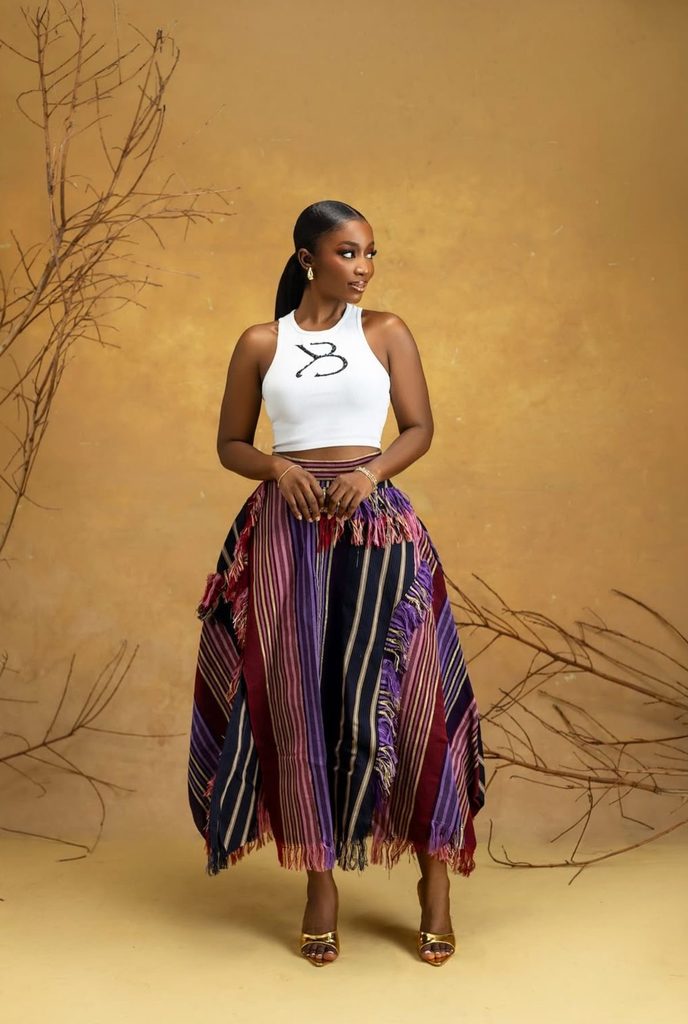
You could even use Aso Oke for just one part of the outfit and let the rest of your wardrobe keep things simple. The goal isn’t to compete with the fabric. Let it shine. And if you are someone who loves accessories, remember that you don’t necessarily need everything to make a statement at once. Sometimes a beautiful bag, simple jewellery and a strong pair of shoes are enough. Aso Oke already has plenty to say.
How To Style Akwete
Akwete can be approached in a similar way, but its distinctive patterns give you plenty of room to experiment. Try turning it into a modern two-piece set. Pair an Akwete skirt with a simple top. Create a statement jacket and wear it with tailored trousers. Or use it for a beautifully cut dress and let the fabric do most of the work.
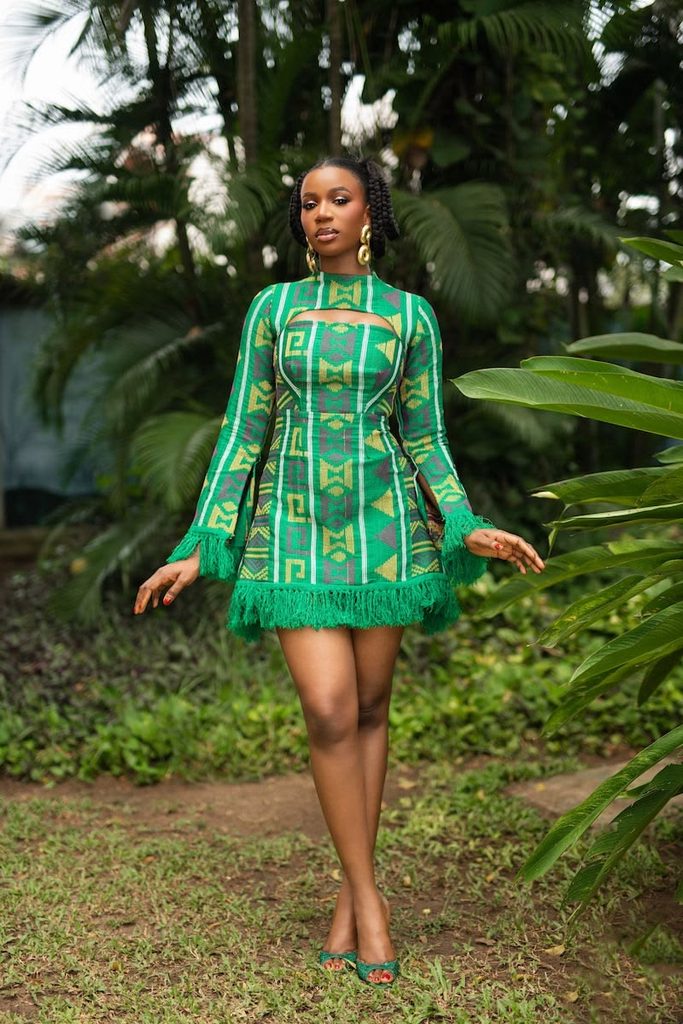
I particularly love the idea of mixing Akwete with modern tailoring. Imagine a traditional handwoven textile paired with a crisp white shirt or beautifully structured trousers. That contrast can make the entire outfit feel fresh. And that is exactly what I love about modern African fashion. You don’t have to choose between cultural heritage and contemporary style. You can have both.
Aso Oke vs Akwete: Which One Should You Choose?
Honestly? Choosing between these two Nigerian fabrics is difficult, and I don’t think one is better than the other. Fashion has made us used to comparing everything. Which colour is better? What shape looks nicer? Which trend should we follow? And which fabric looks more expensive?
There is nothing wrong with asking these questions. But maybe a better question here is: What do you want your outfit to say? If you want a bold, structured and regal look, Aso Oke might be exactly what you need. If you are drawn to intricate details, craftsmanship and something a little different, Akwete might just be your best pick.
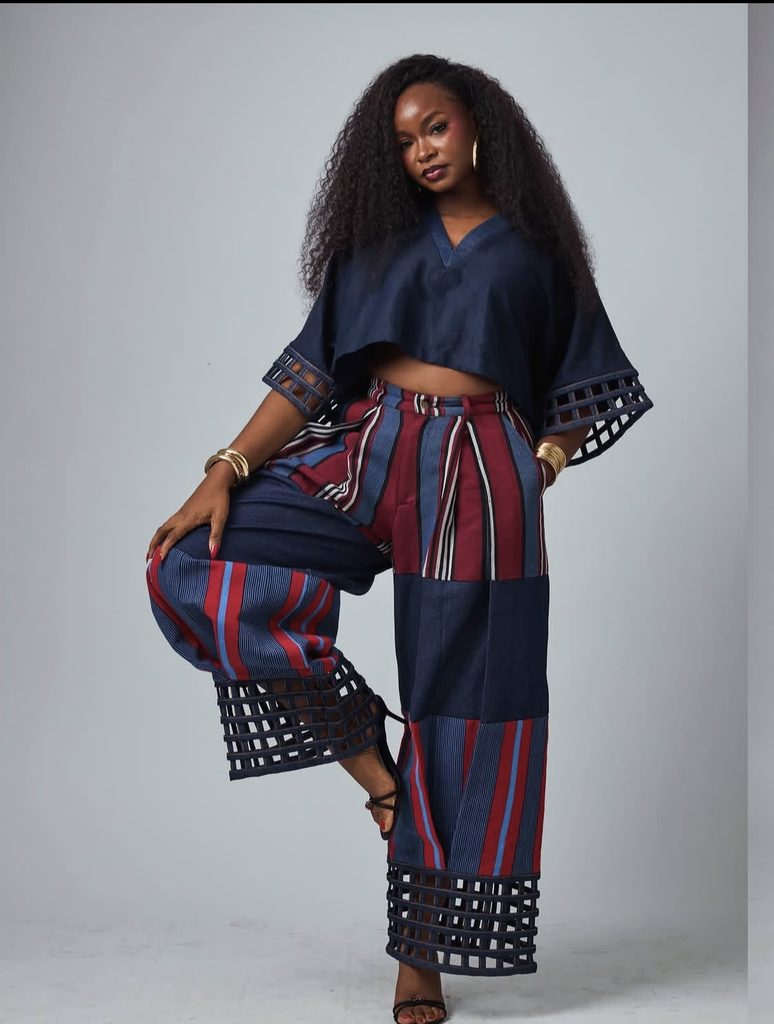
For a big celebration and a strong statement, one may feel right for you. For texture, craft and distinctive woven patterns, the other may feel perfect. And that is the beauty of personal style. The fabric does not decide who you are. You decide what it becomes.
READ MORE: The Most Underrated Accessories That Make Any Outfit Pop
Why Nigerian Fabrics Belong In Modern Fashion
One thing I have become increasingly passionate about in my styling journey is challenging the idea that African fabrics must always be styled in one particular way. Somewhere along the line, we created a very narrow idea of what African fashion is supposed to look like.
We started associating Nigerian fabrics with particular silhouettes, elaborate headpieces, statement jewellery and, more often than not, special occasions. But why? Why can’t Aso Oke become a sharply tailored blazer? Or Akwete be paired with something completely unexpected? And why can’t traditional fabrics be styled alongside minimalist pieces, contemporary tailoring or even fashion-forward street style?
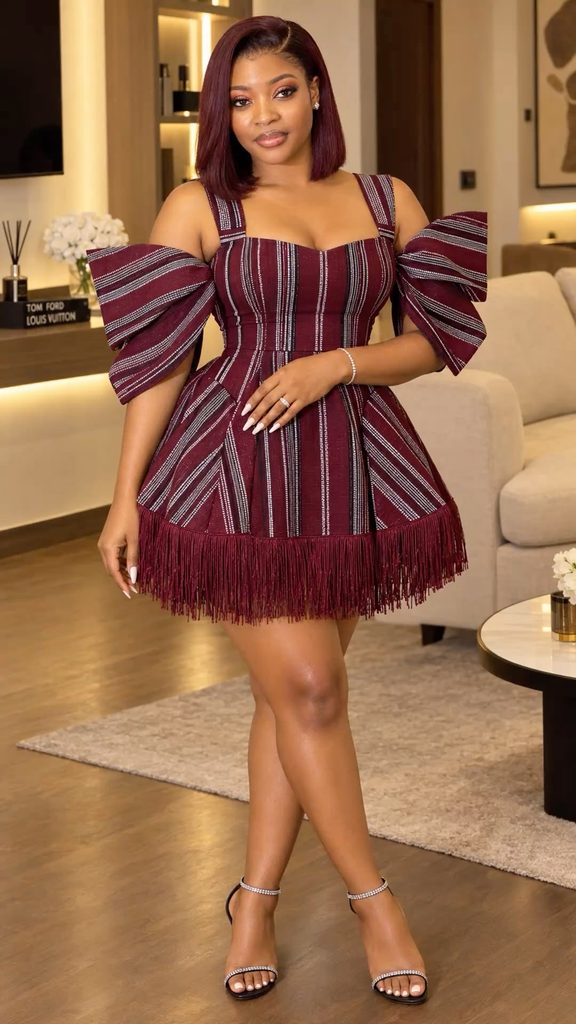
African fashion doesn’t have to choose between heritage and modernity. I believe it can have both. And perhaps that tension between the old and the new is exactly what makes it so exciting. It allows us to honour where these fabrics come from while still giving them room to evolve, experiment and become something entirely new.
The Future Of African Fashion Is Personal
There is one lesson I keep coming back to when styling statement Nigerian fabrics: The fabric should complement the woman, not overshadow her. It can be tempting to keep adding more jewellery, more colour, more embellishment, more accessories and more drama. But good styling is not about how much you can put together. It is about knowing what belongs and where.
A rich textured fabric may not need much else. A dramatic silhouette might work best with simple accessories. And if the headpiece is making a statement, everything else can be a little more restrained. The goal isn’t to make someone look like they are wearing a beautiful African fabric. It’s to make them look beautiful in it. Perhaps that is why I have found myself drawn to Nigerian fabrics more and more in my styling journey. There is so much history in them. But there is also so much possibility.
We can honour the hands and traditions behind these textiles while still creating something completely new. Aso Oke can be worn traditionally for one occasion and turned into a sharply tailored blazer the next. We can celebrate Akwete for its heritage while giving it a place in the wardrobe of a woman who wants her style to feel completely her own. And perhaps that is where the future of African fashion really lies. Not in trying to recreate the past perfectly, but in taking what has been passed down to us and finding new ways to make it relevant to the woman we are becoming.
So, Aso Oke or Akwete? Maybe the answer isn’t about choosing sides. Maybe it’s about choosing the kind of story you want to tell. These Nigerian fabrics already carry stories of heritage, craftsmanship, identity and culture. Our job is simply to decide how we want to continue those stories. As a stylist, that is what I love most. I don’t want the fabric to wear you. I want to help you wear it in a way that feels like you.
FAQs
Aso Oke is a traditional Yoruba textile associated with southwestern Nigeria, with its roots tracing back to the 15th century.
Aso Oke translates to “top cloth” in English. It is not translated into a different English word because it is a specific cultural item.
Yes. Aso Oke can be incorporated into modern outfits through jackets, skirts, trousers, accessories and other statement pieces.
The Akwete fabric is traditionally worn and woven by the Igbo people, specifically from the town of Akwete in the Ndoki region of Abia State, Nigeria.
Try pairing a statement Aso Oke piece with simpler garments and accessories. A structured skirt, jacket or corset can become the focal point of an otherwise clean outfit.
Use Akwete as the focal point of your outfit. Try a statement jacket, skirt, dress or two-piece set with modern, minimal pieces.
Both can work beautifully for weddings and special occasions. Your choice should depend on the look you want to create and how you want the fabric to work with your personal style.